



Blog
Chainsaw Bar Length: How to Match It to the Job

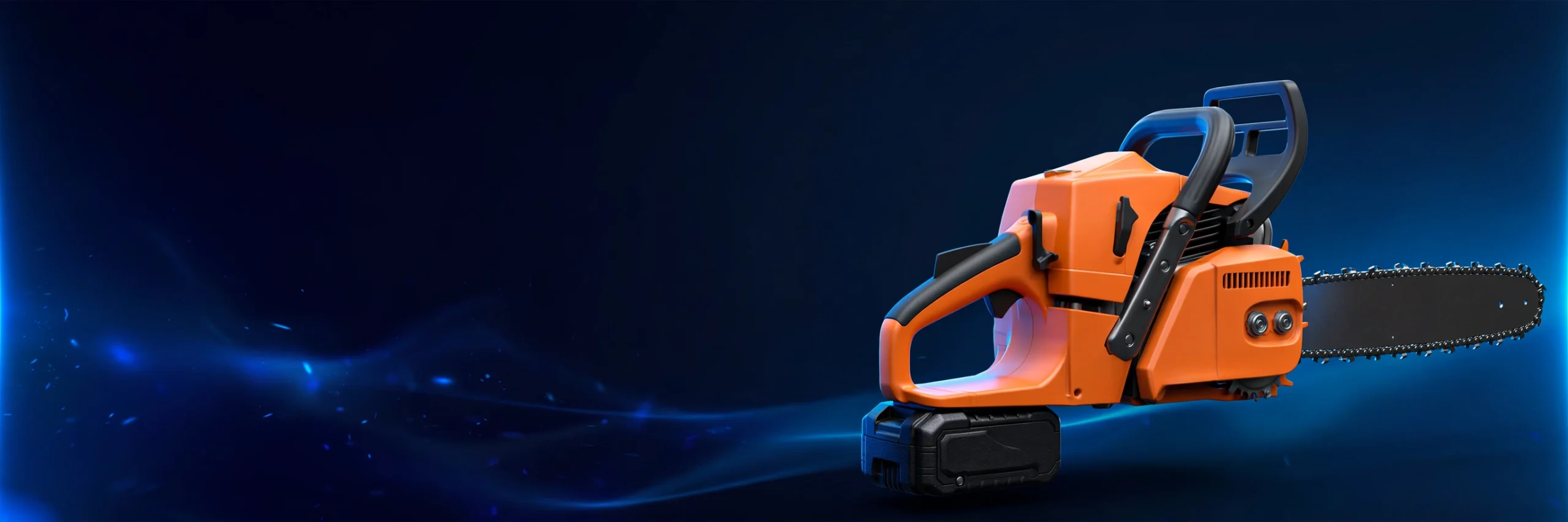
Bar length is one of the first choices to make when buying or fitting a chainsaw, because it affects reach, balance, and control. The right bar lets you cut through the wood you handle most often without forcing the saw or working in an awkward position. A bar that is too short can mean extra cuts and strain, while a bar that is too long can feel heavy and hard to control. Match the bar to the job, not to the largest tree you might one day cut.
What bar length means
Bar length is usually given in inches and describes the cutting length of the guide bar. A longer bar reaches farther and can handle larger logs in one pass, but it also adds weight at the front of the saw and needs more power to cut well. A shorter bar is lighter, easier to handle, and often better for trimming, small trees, and firewood work. Always check your saw manual for the bar lengths approved for your model before changing bars.
Common job types
- Light trimming and small branches: a shorter bar is usually easier to control.
- Firewood and medium logs: a mid length bar often suits most home cutting.
- Large trees and felling: a longer bar may be needed, with the right saw and skill.
- Work in tight spaces: a shorter bar gives better control near fences and sheds.
Measure the wood you cut most
Look at the diameter of the logs and trees you cut most often, not the largest one you have seen. For most cutting, the bar should be able to reach through the wood without the tip being buried or the saw being forced. If you often cut logs that are much wider than the bar, you will need to cut from both sides, which takes more skill and care. A bar that suits your usual work is safer and faster than one chosen for a rare job.
Balance, power, and control
A longer bar changes balance and can tire your arms faster, especially on overhead or long cutting sessions. It also needs enough engine power to keep the chain moving well through the cut. If the saw struggles, the cut slows, the chain can bind, and the work becomes harder. Choose a bar that your saw can drive well, and keep the chain sharp, since a dull chain makes any bar feel worse.
Check before you buy
Before you buy a new bar, confirm the fit for your saw, the chain type it needs, and the lengths your manual allows. Note your usual log size, your experience, and how long you cut at one time. A quick check now avoids a bar that does not fit, a chain that does not match, or a saw that feels unbalanced on the first job.
When a longer bar is not better
Many buyers assume longer is always better, but that is not true for most home work. A long bar on a small saw can be hard to control, can increase kickback risk if used badly, and can make simple jobs clumsy. If you are new to chainsaws, start with a bar suited to light and medium work, learn good cutting habits, and only move up when the job truly needs it and your saw is rated for it.
Conclusion
Match the bar to the wood you cut most, check what your saw manual allows, and choose control over size. A well matched bar cuts cleaner, feels safer, and makes the job easier. To browse saws, see the Chainsaws range, and start at the Shop for equipment. To learn more about NexaDigital, read the About us page, and for help with a model, see the Support page. If you need advice, use the Contact us form and describe the jobs you cut most.