



Blog
Common Tire Changer Mistakes Small Shops Can Avoid

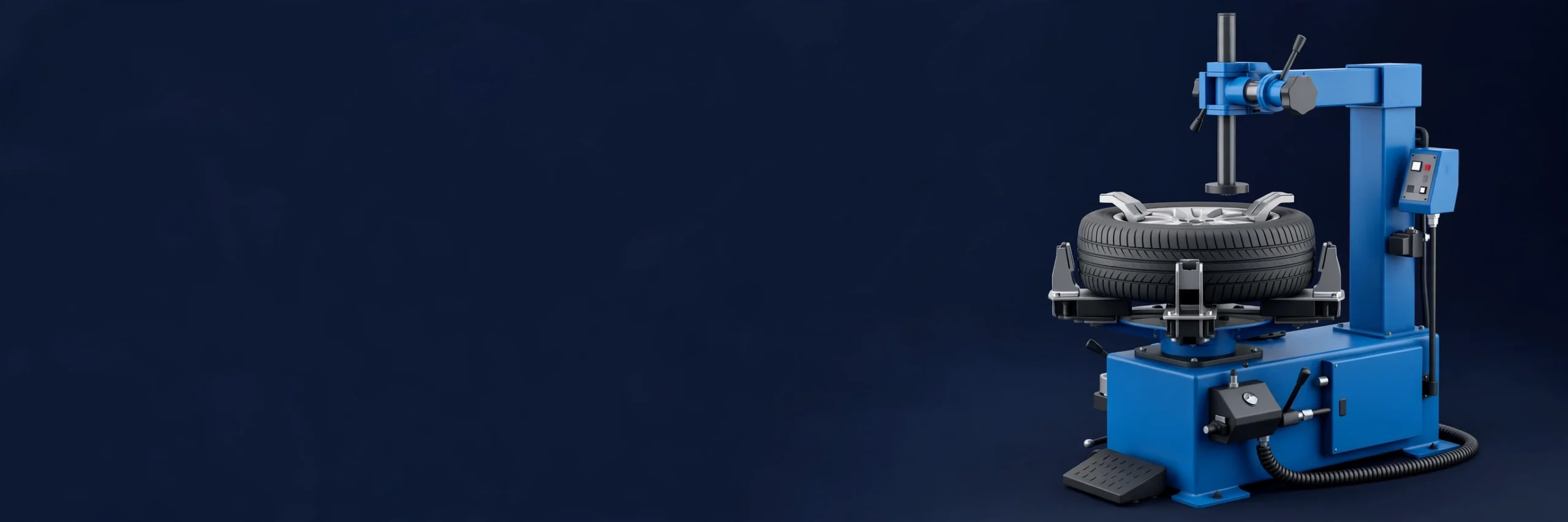
Most tire changer mistakes in a small shop are not caused by a lack of effort. They come from rushing setup, skipping a quick check, or using the wrong setting for the wheel in front of you. Slow down for the first minute of each job, and many avoidable problems never start.
Skipping the rim and tire check
Before clamping, check the rim size, the tire size, and any visible damage to the rim edge. A mismatch forces the machine to work against the wheel, and a damaged rim can worsen under pressure. Read the markings, compare them with the machine settings, and stop if the sizes do not match. That one check protects the wheel, the tire, and the operator.
Clamping too tight or too loose
Clamps must hold the wheel steady without marking or distorting it. Too loose, and the wheel can slip during the break or mount. Too tight, and soft or coated rims can be scratched or stressed. Set the clamps as the manual directs for the rim type, and recheck the grip after the first movement. A steady wheel makes every later step safer and cleaner.
Bead, lubrication, and tool position
Use the right amount of approved lubricant on the bead area, following the manual, and keep the mount head at the correct distance from the rim. Too little lubrication increases friction and the risk of bead damage. Too much leaves a messy job and can hide a poor fit. Keep tools clean, and never force a bead that will not seat. Forcing it often causes the damage you were trying to avoid.
Ignoring air pressure steps
Inflation deserves the same care as mounting. Inflate slowly, watch the pressure, and follow the manual for seating and final pressure. Never stand over a tire during seating, and keep hands clear of the bead area. If a bead will not seat evenly, deflate, recheck lubrication and position, and try again in a controlled way. A calm inflation routine is a safety routine.
Poor housekeeping around the machine
Loose tools, hoses across walkways, and piles of old tires around the changer slow work and create trip hazards. Keep the area clear, store tools in the same place after each job, and remove damaged tires from the work zone. A tidy bay also makes it easier to spot leaks, worn jaws, and damaged cables before they cause a failed job.
Skipping daily machine checks
Check jaws, clamps, hoses, and moving parts at the start of the day, and note anything worn or loose. Worn jaws grip poorly, and a damaged hose can fail under pressure. Small shops often delay these checks because the machine still works, but wear builds up quietly. A short daily check, written down, keeps the machine reliable and helps you plan parts before a breakdown.
Training new staff on the same steps
New staff should learn the full setup routine, not just the fastest way to mount a tire. Show them how to read rim markings, set clamps, use lubrication, and inflate in stages, and let them practise on straightforward wheels first. Watch their first jobs, correct grip and tool position early, and explain why each check matters. When everyone follows the same steps, mistakes fall, rework falls, and customers get a more consistent result. Keep the manual close to the machine, so questions are answered by the manual rather than by guesswork.
Conclusion
Avoiding common mistakes is mostly about pace and checks: confirm sizes, set clamps correctly, lubricate and inflate with care, and keep the bay tidy. To browse tire equipment, see the Tire Changers range and the Shop. To learn more about NexaDigital, read the About us page. For help, use the Support page or the Contact us form.