



Blog
Gas or Electric Outdoor Power Equipment: How to Decide

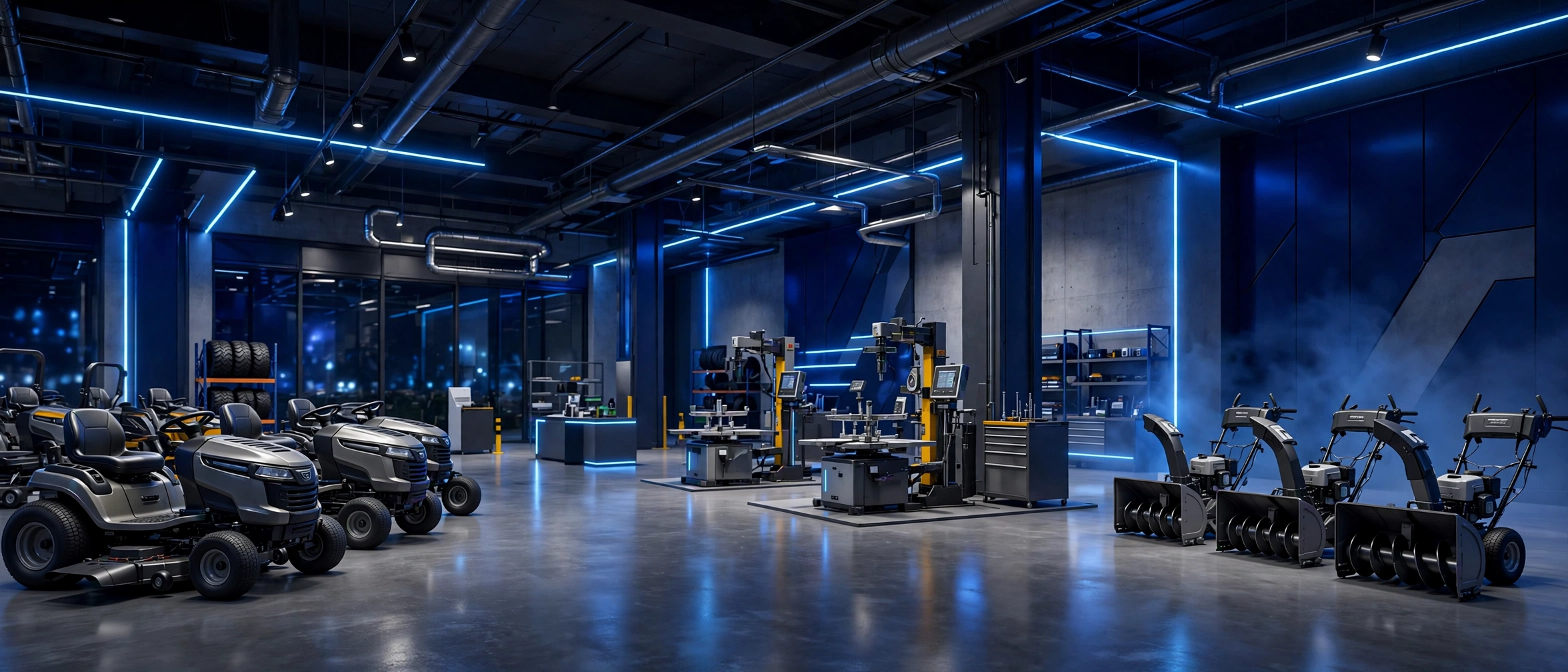
Gas and electric outdoor power equipment both do the same jobs, but they differ in power, runtime, noise, and upkeep. The right choice depends on your property size, how long you work at a time, and how much maintenance you want to handle. Start with the job, not the fuel type, and this guide will help you compare the two in a clear way.
How gas equipment works for you
Gas equipment runs on fuel, so it can work for longer periods without stopping to recharge. It often suits larger properties, heavy cutting, and jobs where power matters more than quiet running. Refueling is quick, and you are not limited by a battery charge. The trade off is more maintenance, including fuel, oil, filters, and spark plugs, and more noise and exhaust during use.
When gas may be the better fit
- Larger properties and longer work sessions.
- Heavy jobs where sustained power matters.
- Work away from a power outlet or charging point.
- Owners comfortable with routine engine maintenance.
How electric equipment works for you
Electric equipment, including battery models, is usually quieter, starts with a button or switch, and needs less engine maintenance. There is no fuel to mix or store for the machine itself, and running costs are often simpler to manage. The main limits are runtime and power for the heaviest jobs, because battery size and charge time affect how long you can work without a break.
When electric may be the better fit
- Smaller to medium properties and shorter jobs.
- Noise sensitive areas and early morning work.
- Owners who want simpler starting and less engine upkeep.
- Jobs where a spare battery can cover the runtime needed.
Compare by job, not by label
List your main jobs first: mowing, trimming, clearing snow, cutting wood, or cleaning surfaces. Then check power, runtime, weight, and storage for each model. A gas mower may suit a large lawn, while an electric trimmer may suit edges and small areas. Many owners use both types, choosing gas for heavy work and electric for light, frequent tasks.
Questions to ask before you buy
- How large is the area, and how long does the job usually take?
- Is noise or exhaust a concern in your area?
- Where will you store fuel, batteries, and chargers safely?
- What maintenance are you willing to do each season?
Storage and care differences
Gas machines need fuel care, especially before storage, and should be stored with fuel handled as the manual directs. Electric machines need battery care, including charging, storage temperature, and keeping contacts clean, as the manual directs. Read the manual for your model, and keep both types clean and dry after use. Good storage protects performance and helps the machine start reliably next season.
Cost and running notes
Look beyond the purchase price. Gas machines need fuel and routine engine parts over time, while electric machines may need a spare battery or a replacement battery after many seasons, depending on use. Check what is included with each model, such as a battery, charger, or extra parts, so you compare like with like. A clear list of running needs helps you avoid surprises and choose a machine that fits your budget and your work pattern.
Conclusion
There is no single winner. Gas suits long, heavy work and larger properties. Electric suits shorter, quieter work and simpler upkeep. Match the power source to your jobs, your property, and your maintenance comfort. Start at the Shop to browse equipment, and see the Lawn Mowers range for models and details. To learn more about NexaDigital, read the About us page, and for help comparing models, see the Support page. If you need advice, use the Contact us form and describe your property size and main jobs.