



Blog
Tire Changer Maintenance: Parts That Wear First

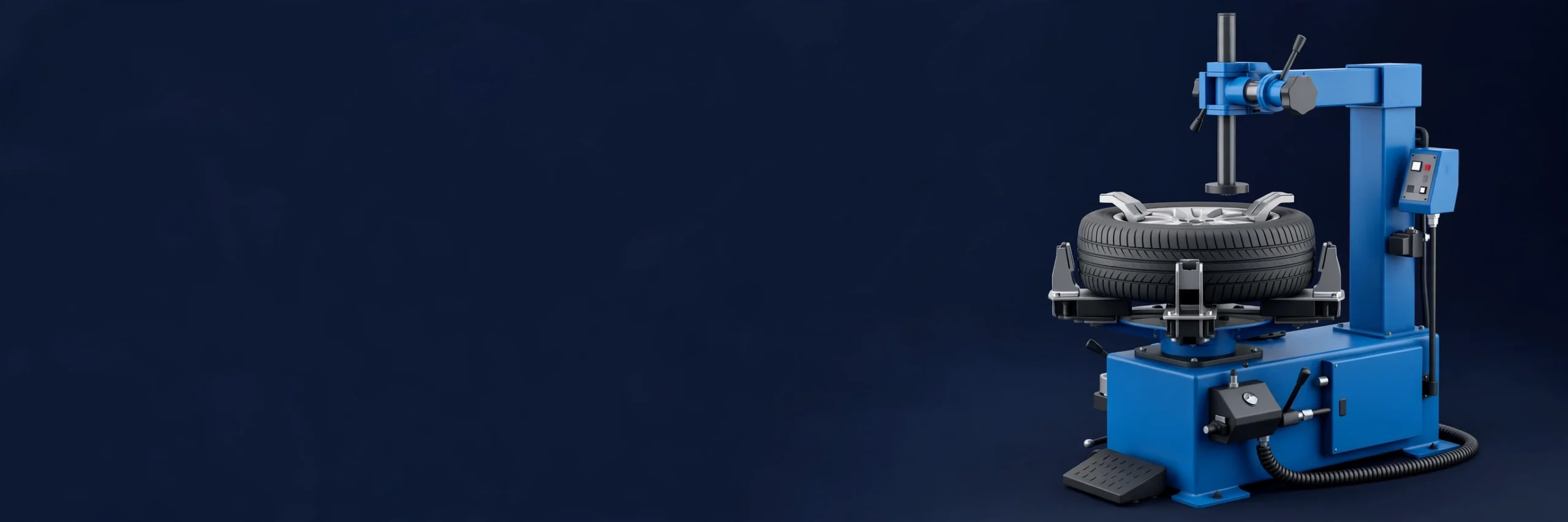
A tire changer works hard in a busy shop, and some parts wear faster than others. Regular checks keep the machine accurate, protect wheels, and reduce downtime.
This guide covers the parts that wear first, simple checks, and when to get service. Always switch off and isolate power before inspection, and follow the manual for your model.
Clamps and jaws
Clamps and jaws grip the rim, so they face constant force and contact. Check for wear, cracks, loose bolts, and worn pads. Worn clamps can slip or mark a rim, so replace pads and parts as the manual directs.
Clean dirt and rubber from the clamp area, and check that each clamp moves smoothly and locks firmly before a tire is fitted.
Bead breaker and mounting head
Bead breaker blade
The bead breaker blade meets the tire sidewall and rim edge, so its edge and pad wear with use. Check for chips, bends, and loose fixings, and replace a damaged blade rather than forcing it.
Mounting head
The mounting head guides the tire on and off the rim. Check its plastic or metal insert for wear, cracks, and sharp edges. A worn insert can damage a tire bead or rim, so replace it early.
Turntable and drive parts
Check the turntable for smooth rotation, unusual noise, and play in the drive. Keep the area clean, and check belts, gears, and drive parts as the manual directs. Slipping or jerky rotation can make mounting harder and less safe.
Listen for new sounds during rotation, and stop the machine if movement feels rough or uneven.
Air lines, valves, and seals
Air leaks often come from hoses, fittings, valves, or seals. Check for hissing, cracks, and loose fittings, and keep hoses away from sharp edges and hot parts. Replace a damaged hose rather than patching it.
Check the inflation gauge and hose for damage, and make sure the air supply is clean and dry where the manual requires it.
Lubrication and cleaning
Follow the manual for grease points, oil, and cleaning. Wipe down moving parts, remove rubber dust, and keep the work area clear. Good cleaning makes wear easier to see and helps parts move freely.
Keep records and spare parts
Note inspection dates, worn parts, and replacements in a simple log. A log shows patterns, such as a pad that wears fast, and helps you order the right part before work stops.
Keep common wear parts on hand where the manual allows, such as pads, inserts, and seals, so a small replacement does not become a full day of downtime.
When to call service
Call qualified service for drive faults, electrical problems, cracked frames, or any part that does not move or lock as it should. Do not force a worn part, and do not use a machine with a damaged clamp, blade, or air line.
Note the fault, the model, and what you checked before you call, so service can bring the right parts and advice. A short note saves time for everyone.
A simple maintenance routine
- Daily: check clamps, bead breaker, air hoses, and controls.
- Weekly: clean the turntable, check drive movement, and look for leaks.
- Monthly: check wear parts, bolts, and safety labels.
- When in doubt: stop and get qualified service.
Conclusion
Tire changer maintenance is mostly early checks in a busy shop: clamps, bead breaker, mounting head, drive, and air lines wear first, and early replacement saves time. For machine help, browse the Tire Changers range and the Shop. To learn more, read the About us page. For help, use the Support page or the Contact us page.