



Blog
Tire Changer Rim Clamps Explained in Plain Terms

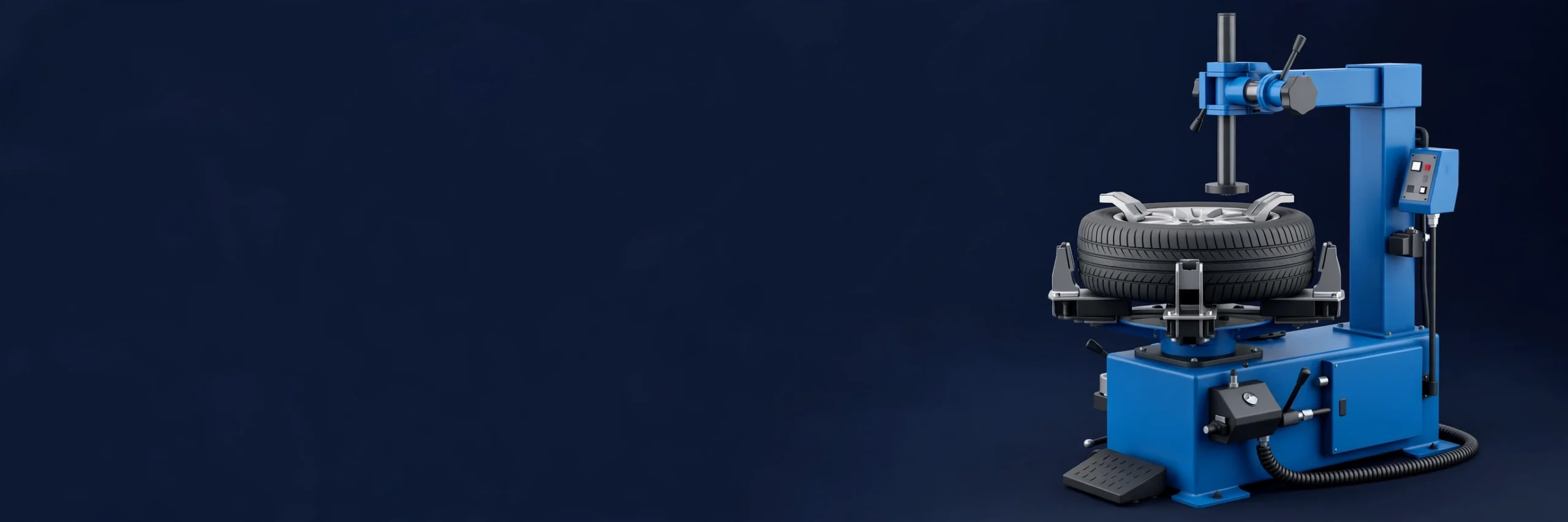
Rim clamps hold the wheel steady while a tire is removed and fitted. If the clamp is wrong for the rim, the wheel can slip, the rim can be marked, or the job can take far longer than it should. This guide explains what rim clamps do, the main types you will see, and how to check a clamp before you buy or use a tire changer.
What rim clamps do
A rim clamp grips the rim from the inside or outside and keeps it centered on the turntable. A firm, even grip lets the mounting head work around the tire without the wheel moving. A loose grip allows slip, which can damage the rim edge, wear the clamp jaws, and make bead breaking harder. The clamp must suit the rim size, rim type, and the work your shop does every day.
Why rim size matters
List the rim sizes your shop sees most often before you judge a clamp. Small car rims, larger truck rims, and specialty rims need different jaw ranges. A clamp that covers your common sizes well is more useful than one with a very wide range that grips poorly at the edges. Check the stated rim range in the product details, and compare it with your actual work, not only with the largest rim you might see once a year.
Main clamp types in plain terms
Most clamps fall into a few broad styles. Outside clamps grip the outer edge of the rim, while inside clamps grip from within the rim. Some machines use a center post or a quick clamp to add pressure from above. Each style has trade offs in speed, rim protection, and the range of rims it handles well. The best choice depends on the rims you handle, not on a single feature.
Outside clamps
Outside clamps are simple to use and easy to see. They work well on many steel rims, but they can mark a soft or painted rim edge if the jaws are worn or dirty. Keep jaws clean, check for sharp edges, and use rim protection where the manual advises it. If you handle many alloy rims, ask about jaw covers or a clamp style that reduces contact with the visible rim face.
Inside clamps and center clamps
Inside clamps grip within the rim, which can protect the outer face. They need a clear inner area and the right jaw size for the rim. Center clamps add a hold from above and can help with stiff tires or larger wheels. They add a step to the job, so they suit shops where the extra hold saves time overall, rather than shops that need the fastest possible change on small rims.
How to check clamps before use
- Check jaws for wear, cracks, chips, and sharp edges.
- Confirm the clamp moves freely and locks firmly.
- Test the grip on a rim you know well before a busy day.
- Clean jaws and the turntable, and remove grit that can mark rims.
- Follow the manual for jaw settings and rim range.
If a clamp slips, stops locking, or shows damage, stop and check it before the next job. A worn clamp can damage a rim quickly, and it can slow the whole shop down.
Clamps and the rest of the machine
Clamps do not work alone. Power, air supply, bead breaker force, and turntable size all affect how well a clamp can hold. A strong clamp on a machine with too little power for stiff tires will still struggle. When you compare machines, look at the whole system, including floor space, power needs, and the daily workload, as covered in the tire changer basics guide.
Conclusion
Rim clamps are a small part with a large job: hold the wheel steady, protect the rim, and keep the change moving. Match the clamp to your rim sizes and rim types, keep jaws clean and in good condition, and check the grip before a busy day. Start at the Shop to browse equipment, and see the Tire Changers range for machines and details. To learn more about NexaDigital, read the About us page, and for help with a machine, see the Support page. If you need advice, use the Contact us form and list your rim sizes and daily workload.