



Blog
When a Tire Needs Repair and When It Needs Replacing

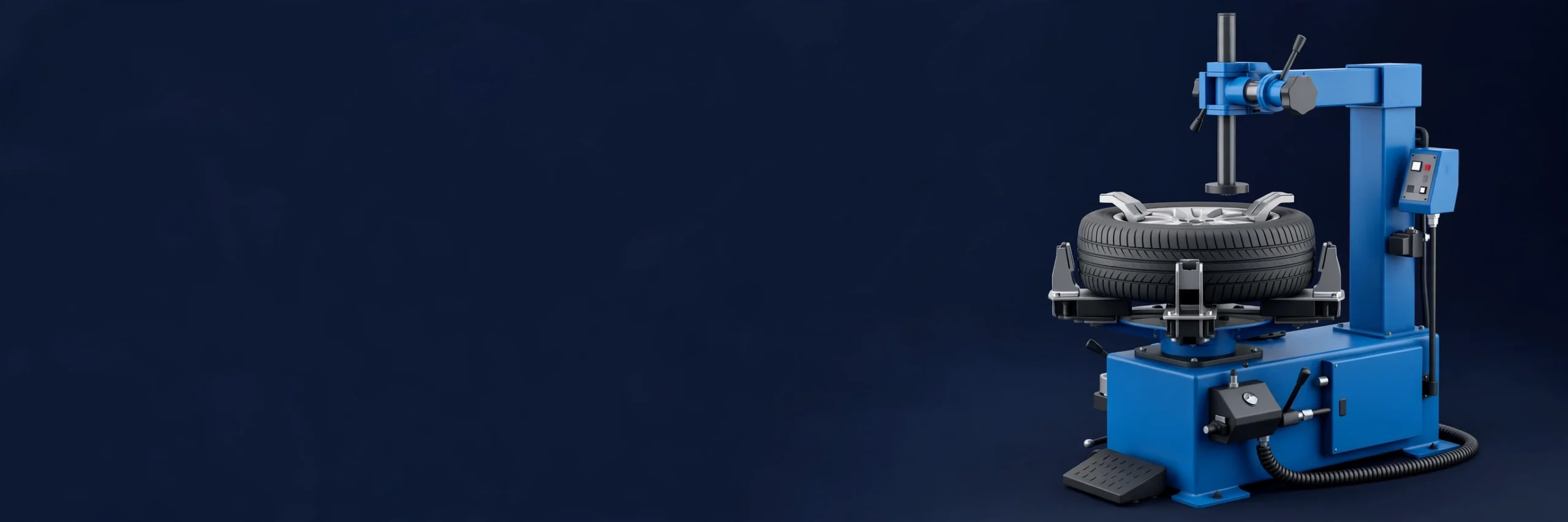
A tire needs repair when damage is small, in the tread area, and not near the sidewall, and it needs replacing when damage is large, on the sidewall, or the tread is worn out. A quick check of location, size, and tread depth usually gives a clear answer, and a shop can confirm it.
Damage that can often be repaired
Small punctures in the tread, such as a nail in the centre of the tread, can often be repaired if the tire has not been driven flat and the rest of the tire is in good condition. The repair should be checked from inside the tire, not just plugged from outside, and the tire should be rechecked for leaks after the repair.
Damage that usually means replacement
Sidewall cuts, bulges, and cracks usually mean replacement, because the sidewall flexes with every turn and cannot be repaired safely in the same way as the tread. A tire that has been driven flat, has a large hole, or shows damage to the bead or rim seat should also be replaced rather than repaired.
Check tread wear
Worn tread reduces grip, especially in wet weather, and a tire near the wear limit should be replaced even if it holds air. Look for even wear across the tread, and note any bald spots or cords showing through. Uneven wear can point to pressure, alignment, or balance problems that should be checked at the same time.
Pressure and age checks
Check pressure when tires are cold, and compare it with the pressure the vehicle or equipment manual states. A tire that keeps losing air may have a slow leak, a valve problem, or hidden damage. Age also matters: a tire that looks fine can still be old, so check the date code and have old tires inspected before you rely on them.
After a repair
After a repair, check pressure again, look for leaks, and watch for vibration or pulling during the first short drive. If the tire loses air again, or if a bulge appears near the repair, return to the shop rather than adding air and continuing. A good repair should hold pressure steadily, and any change after repair is a reason to have the tire checked again.
When in doubt
When you are unsure, treat the tire as unsafe until it has been checked, especially if damage is near the sidewall or you cannot see the full extent of it. Do not drive at speed on a tire you doubt, and do not rely on a temporary fix for long use. A careful check costs far less than a failure on the road or at work. Keep a spare tire and a simple gauge ready, so a doubtful tire does not leave you stuck without a safe option.
What to tell the shop
Tell the shop where the damage is, when you noticed it, and whether the tire lost air quickly or slowly. Note any vibration, pulling, or noise, and whether the tire was driven flat. Clear details help the shop decide whether repair is safe, and they also help you avoid paying for a repair that will not last.
Conclusion
Repair suits small tread damage in a healthy tire, while sidewall damage, bulges, and worn tread call for replacement. When you act early, you protect the wheel, the tire, and the people using the machine. Check tires regularly, not only when a problem appears. To browse tire equipment, see the Tire Changers range and the Shop. To learn more about NexaDigital, read the About us page. For help, use the Support page or the Contact us form.