



Blog
Snow Blower Auger Care and Common Wear Signs

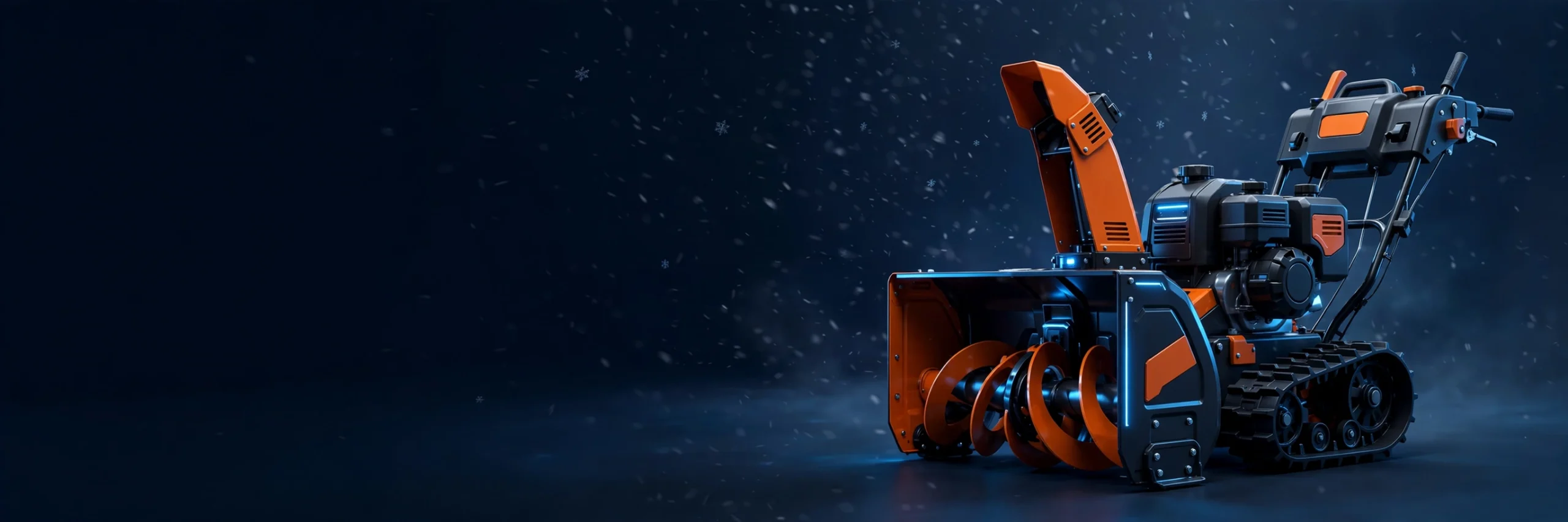
The auger is the part of a snow blower that pulls snow in and feeds it to the impeller. When it works well, snow clears in a steady stream. When it wears, you may see thin throwing, clogging, shaking, or missed snow. Simple auger care helps you spot wear early, before a small problem becomes a repair.
This guide explains what the auger does, how to care for it, and the wear signs to watch for. Always stop the engine, disconnect power as the manual directs, and wait for moving parts to stop before you inspect or clean the auger.
What the auger does
The auger sits at the front of the machine, inside the housing. As it turns, its blades gather snow and move it toward the center, where the impeller throws it out through the chute. On a single stage machine, the auger also helps move the machine forward. On a two stage machine, the auger feeds snow to a separate impeller.
Because the auger meets snow, ice, gravel, and hidden objects, it takes more wear than most parts. Rubber paddles, metal blades, and shear pins each wear in different ways. Knowing which type your machine uses helps you check the right parts.
Basic auger care
Clear snow and ice from the housing after each use, as the manual directs. Do not use your hands near the auger, even when the engine is off, until you are sure it cannot move. Use a clearing tool where fitted, and check that the chute is clear before storage.
Check bolts, paddles, and blades for looseness or damage. Look for bent edges, cracks, missing rubber, and wear at the outer edge. Keep the area around the auger free of packed ice, since ice can add load and hide damage. Follow the manual for grease points, belt checks, and shear pin replacement.
Common wear signs
Thin or weak throwing
Weak throwing can mean worn paddles or blades that no longer grip snow well. It can also mean a loose belt or a clogged chute, so check those first. If the belt and chute look right and throwing stays weak, the auger surface may be too worn to move snow well.
Shaking and noise
New shaking, grinding, or rattling often points to a bent blade, a loose bolt, or a damaged bearing. Stop and inspect the machine as the manual directs. Do not keep running a shaking auger, since vibration can damage nearby parts.
Missed snow and uneven clearing
If the machine leaves a strip of snow or clears unevenly, check for a missing paddle, a bent blade, or a shear pin that has broken on one side. A broken shear pin is a safety feature on many machines, designed to protect the gearbox. Replace it only with the type the manual lists.
A seasonal auger check
Do a fuller auger check at the start of the season and again near the end. Compare paddle height and blade edges with how they looked last year, and note any change in throwing distance. Keep spare shear pins on hand if your manual lists them, and store them where you can find them during a storm. A calm check in daylight is far easier than a repair in heavy snow.
When to get help
Get help if the auger housing is cracked, the shaft feels loose, or the gearbox leaks. Those faults need proper parts and tools. If you are unsure about a shear pin, belt, or bearing, ask a service shop rather than guessing. A short check now can prevent a larger repair later.
Conclusion
Auger care is mostly about looking, clearing, and acting early. Check paddles and blades, watch for weak throwing and shaking, and replace worn parts as the manual directs. To compare options, browse the Snow Blowers range and the Shop. To learn more about NexaDigital, read the About us page. For help, use the Support page or the Contact us page.